

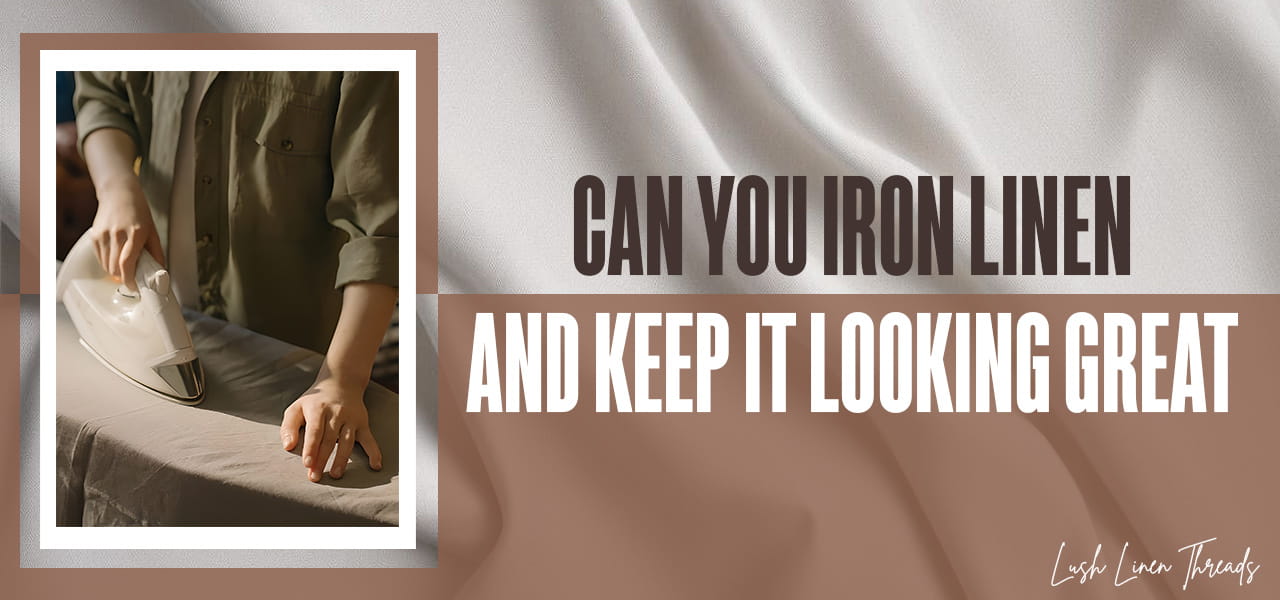
Linen is loved for its airy feel and relaxed texture—so wrinkles are normal. If you’re wondering, can you iron linen? Yes, you can, and when you combine high heat with steam (or iron it slightly damp), you’ll get a smooth finish without flattening the fabric’s natural character.
What Temperature Should You Use to Iron Linen
Linen is made from flax fibers, which are naturally stronger and more heat-tolerant than cotton. This allows linen to be ironed at higher temperatures—but only when moisture is involved. Heat combined with steam helps relax the fibers, making wrinkles release quickly and evenly.

Recommended ironing temperature for linen:
- Use the Linen / High setting with steam
- Target range: 200–220°C (390–430°F)
- Start slightly lower for lightweight linen, dark colors, or blends—then increase only if wrinkles persist.
Linen handles heat well, but steam (or slight dampness) is what releases wrinkles efficiently. Ironing very dry linen on high heat can require extra passes and increase the risk of shine—especially on dark colors.
Expert tip: Check the care label first. Linen blends (linen–viscose, linen–poly) and tailored pieces with interfacing or trims often need a slightly lower temperature and a press cloth.
Is It Better to Iron Linen Damp or Dry
For the smoothest and safest results, linen is best ironed when slightly damp rather than completely dry. Using a bit of moisture with heat helps the fibers relax naturally, smoothing out wrinkles gently — ideal for anyone asking how to properly iron linen.
Why Ironing Damp Linen Works Better:
- Fibers become more pliable, so wrinkles release with minimal pressure
- Reduces the risk of shine marks caused by excessive heat
- Helps maintain linen’s natural softness and relaxed texture
- Prevents over-flattening that can happen when ironing fully dry fabric
The Best Ways to Keep Linen Damp While Ironing:
- Iron right after washing when the linen is slightly damp
- Use the iron’s steam function continuously
- Lightly mist with water (don’t soak)
These methods help wrinkles release faster while keeping the fabric looking natural.
How to Iron Linen the Right Way
Ironing linen correctly is all about combining the right heat, moisture, and technique — essential knowledge for anyone wondering how to keep linen looking its best. Follow this step-by-step method we use in garment-care testing and customer support at Lush Linen Threads to reduce shine, scorching, and distortion.

Turn the Garment Inside Out
Ironing linen inside out helps protect the visible surface from shine marks or glossy patches that can occur with high heat. Ironing linen inside out helps prevent shine and surface marks—especially on dark colors and smoother weaves.
Use Linen or High Heat with Steam
Use the iron’s linen setting, around 210°C (410°F), and ensure it produces consistent steam. A clean iron plate is essential to prevent stains or residue from transferring onto the fabric. Steam softens the fibers, making wrinkles easier to release without excessive pressure.
Work in Sections
Start with smaller, structured areas like collars, cuffs, and waistbands, then move to larger panels such as the body of a shirt or the legs of pants. This approach ensures even ironing and prevents wrinkles from forming in other areas as you move along.
Lift and Press Instead of Dragging
Use a lift-and-press motion for stubborn creases, and glide lightly only when the fabric is well-steamed. Dragging a hot iron across dry linen can stretch panels and skew seams.
Let the Garment Cool Flat
Once ironing is complete, lay the garment flat or hang it to cool. This allows the fibers to settle naturally, reducing the chance of new wrinkles forming immediately. Avoid folding or wearing the garment while it is still warm from ironing.
By following these steps, you can maintain linen’s natural texture, enhance its softness, and achieve a crisp yet relaxed finish without damaging the fabric. This method works for shirts, pants, dresses, and even linen bedding, ensuring every linen piece looks and feels its best.
Ironing Linen Pants, Shirts, and Suits
Linen pants: Press the waistband, pockets, and fly area first, then iron each leg panel from top to hem. For sharp creases, use a press cloth and steam—avoid grinding the iron back and forth.
Linen shirts: Start with the collar and cuffs, then the yoke/shoulders, sleeves, and finally the front panels. Iron inside out for dark colors to prevent shine on the chest and shoulder area.
Linen suits: Use lower heat if the label calls for it, and always use a press cloth. Focus on pressing (not dragging) and avoid flattening lapels and structured areas—tailored linen often includes interfacing that can react poorly to aggressive heat.
Choosing Between Ironing and Steaming Linen
Linen can be cared for using both ironing and steaming, but each method serves a different purpose depending on the garment and the desired result. Understanding when to use each technique helps preserve the fabric’s natural texture and ensures a polished, professional appearance.
- Ironing — Best for: new or heavily wrinkled linen. Benefits: smooths deep wrinkles, adds structure, and creates a crisp finish. Notes: ideal for shirts, pants, and tailored pieces; use steam and correct temperature (200–220°C).
- Steaming — Best for: lightly wrinkled linen or refreshing garments. Benefits: gently relaxes fibers, maintains natural drape, minimal risk of shine. Notes: perfect for dresses, curtains, bedding; safe for delicate or layered fabrics.
Rule of thumb: Iron to reset shape after washing; steam to refresh between wears.
Bottom Line: Think of ironing as structure and steaming as maintenance. Many linen enthusiasts combine both methods: ironing to set the garment after washing and steaming to refresh it between wears. Using the right method at the right time keeps linen soft, breathable, and looking effortlessly elegant.
Common Mistakes That Damage Linen
Ironing linen is effective when done properly, but mishandling can quickly compromise the fabric’s natural strength, texture, and appearance — which is why “Can you iron linen?” is a common and important question. Understanding what to avoid helps preserve your linen garments for years of wear.

Pressing Too Hard: Linen fibers are strong but can be crushed if too much pressure is applied during ironing. Excessive force flattens the natural weave, leaving shiny patches or an unnatural sheen. Instead, allow the combination of heat and moisture to do the work, using only light, even pressure to smooth out wrinkles.
Skipping Steam or Moisture: Linen releases wrinkles faster with moisture. Ironing it completely dry often takes more pressure and passes, which can cause shine or flatten the texture.
Overlooking Care Instructions: Not all linen is created equal. Some garments are blended with cotton, viscose, or synthetic fibers, and tailored pieces often contain interfacing or delicate trims. Ignoring the care label can lead to scorching, shrinkage, or uneven pressing. Always read the manufacturer’s instructions and adjust your ironing method accordingly.
Over-Ironing for Perfection: Linen is cherished for its relaxed, natural drape. Trying to achieve a completely crisp, rigid finish can distort the fibers and eliminate the soft texture that defines the fabric. Focus on smoothing wrinkles while maintaining linen’s signature airy look.
Focusing Heat on One Spot: Leaving the iron on a single area too long can weaken fibers and cause discoloration or shine. Move the iron steadily and systematically, allowing steam and heat to gently relax the fabric across the entire garment.
Frequently Asked Questions About Ironing Linen
Maintaining linen’s natural softness and appearance can feel tricky, especially for everyday garments and tailored pieces. The following answers address common questions about ironing, caring for wrinkles, and keeping linen pieces comfortable and long-lasting.

Is it safe to iron linen before wearing it for the first time?
Yes, ironing before first use helps relax the fibers and improves drape.
Will ironing linen cause shrinkage?
Usually not. Shrinkage happens mostly during washing and drying—especially with hot water or high-heat tumble drying. If your linen has already been washed and you iron with steam at the correct setting, ironing shouldn’t noticeably shrink it. To be safe, follow the care label and avoid high-heat drying.
Is wrinkled linen a flaw?
Not at all. Wrinkling is a natural feature of authentic linen.
How often should you iron linen?
Only when needed. Many people embrace linen’s relaxed texture between irons.
How do I avoid shining on dark linen?
Iron inside out or use a thin press cloth, keep steam on, and avoid heavy pressure.
How should you iron linen bedding or curtains?
Use high heat with steam while the fabric is slightly damp. Work in sections, keep the fabric flat and supported, and focus on visible areas like edges and hems. If needed, finish with steaming to relax light wrinkles without over-flattening the texture.
Should you use starch on linen?
It’s optional. Starch can add crispness, but it may reduce linen’s soft, breathable feel over time. If you use it, apply lightly and follow the product instructions.
Wondering, “Can you iron linen?” Yes—and when you combine steam with gentle pressing, you’ll get a smooth, clean finish without losing linen’s relaxed character. For more simple care tips and everyday linen essentials, explore Lush Linen Threads—made to wear, wash, and re-wear beautifully.


